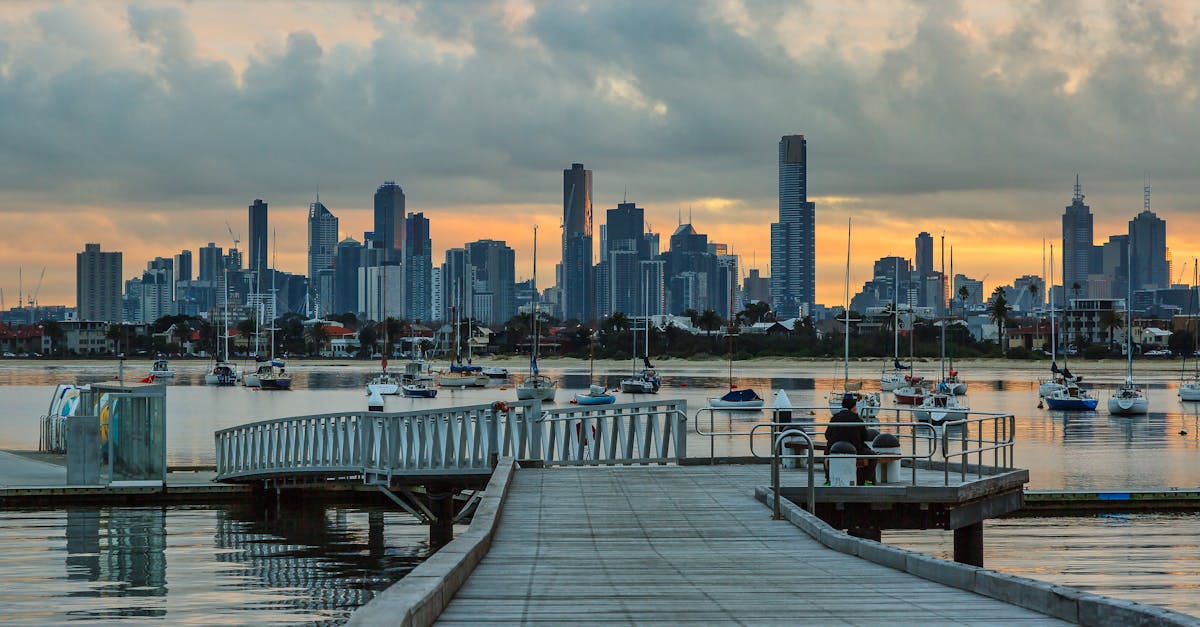
Safety Regulations for Boating in Mornington Peninsula
Table Of Contents
Life Jacket Regulations
Life jackets are essential safety equipment for all boating activities in the Mornington Peninsula. Every vessel on the water must have enough life jackets for each person on board, ensuring that they are suitable for the wearer's age and size. The regulations specify that children under 12 years must wear a life jacket at all times when on a vessel that is underway, reinforcing the importance of safety for younger passengers.
In addition to meeting safety requirements, life jackets need to be in good condition and readily accessible. They should not be stowed away in a locked compartment or under other gear. All users must be aware of how to properly fit and use a life jacket, as improper usage can significantly reduce its effectiveness in an emergency. Regular inspections and maintenance of life jackets help ensure their reliability, promoting a safer boating experience for everyone.
Guidelines for Life Jacket Usage
When venturing out on the water, it is essential to wear the appropriate life jacket for the specific activity. All individuals on board should have a life jacket that fits properly and is suited to their weight and size. For children, it is imperative to use life jackets designed specifically for their age group, ensuring they provide adequate buoyancy and support. Regular inspections of life jackets for any signs of wear or damage should be conducted to maintain safety standards.
It is advisable to keep life jackets readily accessible and encourage all passengers to wear them at all times, particularly when the vessel is in motion or during bad weather conditions. Australian regulations require that life jackets must be worn and not just carried on board, especially for certain types of vessels. Additionally, understanding how to use a life jacket effectively can significantly enhance safety while boating, making it important for all users to be familiar with the device’s features and operation procedures.
Operating Under the Influence
Operating a vessel while impaired can lead to serious accidents and legal repercussions. Australian law strictly prohibits the consumption of alcohol and drugs when navigating waterways. The presence of alcohol can significantly diminish a boater's ability to make sound judgments and react promptly to potential hazards.
Legal limits for blood alcohol concentration (BAC) vary across different types of vessels. For recreational vessels, the limit is typically set at 0.05%. However, those in charge of commercial vessels may face stricter restrictions. It is essential to understand these laws and adhere to them, ensuring the safety of all onboard and those sharing the waterway.
Legal Limits for Blood Alcohol Concentration
Boating under the influence of alcohol poses significant risks, not only to the operator but also to passengers and other water users. In Australia, a legal blood alcohol concentration (BAC) limit of 0.05 applies to recreational boaters. Those operating vessels in a higher alcohol range can face substantial penalties including fines, loss of boating privileges, and even criminal charges.
It's crucial for boaters to be aware that the repercussions of exceeding the legal limit extend beyond fines. Alcohol can impair judgment, coordination, and reaction time, leading to dangerous situations on the water. Boaters should consider alternative methods of transportation or designate a sober operator if consuming alcohol is part of their outing. Prioritising safety helps foster a responsible boating environment and enhances the overall enjoyment of recreational activities on the water.
Environmental Protection Regulations
Boating enthusiasts are increasingly aware of the need to protect marine ecosystems. Adhering to environmental regulations can help preserve the natural beauty and biodiversity of areas such as Mornington Peninsula. Disposal of waste in designated areas is crucial. Boaters should also ensure that any fuel spills are promptly cleaned to minimise their impact on the water quality and surrounding wildlife.
Additionally, it is essential to respect designated no-wake zones and marine parks. These areas are vital for nurturing marine life and maintaining serene environments for recreational users. Operators must stay informed about local regulations regarding fishing and the use of non-native species. Engaging in responsible boating practices not only safeguards the environment but also enhances the overall experience for everyone on the water.
Best Practices for Minimising Environmental Impact
When boating in the Mornington Peninsula, it’s crucial to adhere to best practices that protect the unique environment. This includes keeping a safe distance from sensitive habitats, such as marine parks and wildlife sanctuaries. Engines should be operated at a reasonable speed to minimise wake and reduce erosion along shorelines. Additionally, taking care to avoid littering and ensuring that all waste is disposed of properly, either at designated facilities or aboard the vessel, helps maintain the area’s pristine condition.
Using biodegradable cleaning products can further minimise the environmental impact of boating activities. Regular maintenance of the vessel ensures that no oils or pollutants leak into the water, which is harmful to marine life. Educating fellow boaters about these practices fosters a collective responsibility towards preserving the natural beauty of the Mornington Peninsula. Awareness and adherence to these guidelines can significantly contribute to the sustainability of the region’s ecosystems.
FAQS
What are the life jacket regulations for boating in Mornington Peninsula?
In Mornington Peninsula, all boaters are required to wear an appropriate life jacket while on the water, especially for vessels under 4.8 metres in length or when travelling in certain conditions such as heavy weather.
How should I properly use a life jacket while boating?
Life jackets should be worn at all times while on the water. Ensure your life jacket is the correct size for your body, is fully zipped and fastened, and is suitable for the type of boating activity you're engaging in.
What are the legal limits for blood alcohol concentration while operating a boat?
The legal limit for blood alcohol concentration (BAC) while operating a boat in Victoria is 0.05%. However, it is advisable to avoid alcohol altogether when operating a vessel to ensure safety.
Are there specific environmental protection regulations I need to follow when boating in Mornington Peninsula?
Yes, boaters are encouraged to follow environmental protection regulations that include avoiding prohibited areas, properly disposing of waste, and minimising noise pollution to protect local wildlife and habitats.
What are some best practices for minimising environmental impact while boating?
Best practices include using eco-friendly products, keeping the boat well-maintained to prevent leaks, avoiding sensitive areas, and respecting wildlife by maintaining a safe distance from animals and their habitats.
Related Links
Tips for First-Time Boaters in Mornington Peninsula WatersHidden Gems for Boating Adventures in Mornington Peninsula
The Best Waterfront Dining Options along Mornington Peninsula
Ideal Picnic Locations Accessible by Boat in Mornington Peninsula
A Guide to Fishing Spots in Mornington Peninsula Waters
Seasonal Wildlife You Can Spot While Boating in Mornington Peninsula