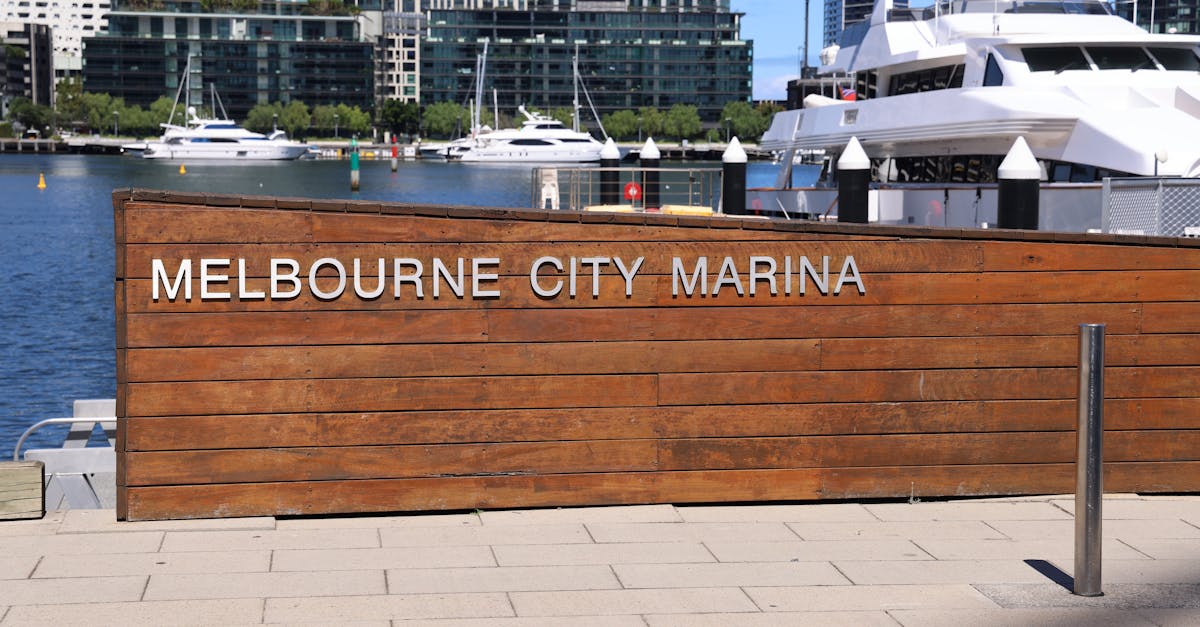
Payment Security Measures for Self-Drive Boat Hire in Melbourne
Table Of Contents
User Authentication Processes
In the realm of self-drive boat hire, establishing robust user authentication processes is vital for protecting customer information and financial transactions. This involves implementing measures such as strong password requirements, regular password updates, and unique user identifiers. These steps help to create a secure environment where access to sensitive information is restricted and tightly controlled. By addressing potential vulnerabilities, service providers can reduce the likelihood of unauthorised access and enhance overall security.
A multi-layered authentication approach further strengthens this system. Incorporating techniques like biometric verification and security questions adds another level of protection. These methods not only make it harder for intruders to gain access but also instil confidence in users about their data safety. As users become more educated about these processes, the likelihood of successful authentication increases, thereby fostering a culture of vigilance and proactive security awareness in the self-drive boat hire sector.
The Role of Two-Factor Authentication
Two-factor authentication (2FA) significantly enhances the security of payment processes for self-drive boat hire services. By requiring users to provide two distinct forms of identification, this method makes it more challenging for unauthorised individuals to gain access to sensitive personal information. Typically, the first factor is the user's password, while the second can take various forms such as a text message code or an authentication app notification. This layered approach serves as a robust defence against phishing attacks and other fraudulent activities.
Implementing 2FA not only helps secure customer accounts but also builds trust in the service provider. Users are more likely to feel confident when they know that additional steps are in place to protect their financial transactions. Moreover, boat hire companies in Melbourne that prioritise 2FA demonstrate a commitment to safeguarding customer data. Such measures can distinguish a business in a competitive market where consumers are increasingly aware of and concerned about security risks associated with online payments.
Compliance with Australian Regulations
Ensuring adherence to Australian regulations is essential for any business involved in self-drive boat hire. The Australian Competition and Consumer Commission (ACCC) oversees fair trading and consumer rights, providing guidelines on payment security practices. Businesses must implement measures that protect sensitive customer information, aligning with the Privacy Act 1988. Compliance not only safeguards consumer data but also enhances the company's reputation among customers who increasingly value security in transactions.
Moreover, the Payment Card Industry Data Security Standard (PCI DSS) is a critical framework that organisations must follow when handling card payments. This standard defines a set of security requirements for managing cardholder data. By adhering to these regulations, boat hire companies demonstrate a commitment to the safety of their clients' financial information. Regular audits and updates to security protocols are necessary to maintain compliance and identify potential vulnerabilities in existing systems.
Understanding Legal Requirements for Payment Security
In Australia, businesses involved in payment processing must adhere to various legal requirements that ensure the security of customer data and transactions. The Privacy Act 1988 is fundamental, mandating the protection of personal information collected by businesses. Additionally, the Australian Payment Card Industry Data Security Standard (PCI DSS) sets out essential guidelines that companies must follow to protect cardholder data from theft or breach during processing and storage.
Organisations must implement robust systems to ensure compliance with these regulations. Regular audits and risk assessments play a crucial role in identifying vulnerabilities and maintaining the integrity of payment systems. It is essential for boat hire services to stay abreast of any changes in legislation, adjusting their practices accordingly to safeguard customer information and maintain trust in their services.
Customer Education on Secure Payments
Providing customers with the necessary information about secure payment methods is crucial in today’s digital landscape. Educating users about identifying secure websites, understanding the significance of encryption, and recognising phishing attempts helps them navigate online transactions safely. Clear communication about the security features of the boat hire service can build trust and confidence, encouraging customers to use digital payment platforms without fear.
Training customers on the importance of regularly monitoring their transaction history can also enhance their security. They should be advised to report any suspicious activity immediately. Encouraging the use of strong, unique passwords and the regular updating of those passwords fosters a culture of security awareness. Offering resources such as guides or video tutorials can further empower customers to make informed decisions when renting a self-drive boat.
Tips for Customers to Enhance Their Security
Ensuring personal and financial information remains secure is essential in today’s digital landscape. Customers should always choose strong, unique passwords for their accounts, combining letters, numbers, and symbols. Changing passwords regularly can provide an added layer of protection. Additionally, be cautious when sharing personal details over email or other communication channels. Always verify the authenticity of the request before providing any sensitive information.
Using secure payment options is another effective way to safeguard financial transactions. Credit cards often offer added protections against fraud, while platforms like PayPal can provide an extra buffer between personal accounts and the service providers. When accessing payment platforms, ensure the website is secure; look for "https://" in the address bar. Staying informed about the latest security threats can also empower customers to recognise potential risks and respond proactively.
FAQS
What are the key payment security measures for self-drive boat hire in Melbourne?
Key payment security measures include user authentication processes, compliance with Australian regulations, and customer education on secure payments.
How does two-factor authentication enhance payment security?
Two-factor authentication adds an extra layer of security by requiring users to provide two forms of identification before accessing their accounts, making it harder for unauthorised users to gain access.
What Australian regulations should businesses comply with regarding payment security?
Businesses must comply with the Australian Privacy Principles and the Payment Card Industry Data Security Standard (PCI DSS), which govern the collection, storage, and processing of payment information.
What are some legal requirements for payment security in Australia?
Legal requirements include ensuring the protection of customer data, obtaining consent for data collection, and maintaining transparency about how customer information will be used.
What tips can customers follow to enhance their security when hiring a self-drive boat?
Customers can enhance their security by using strong, unique passwords, enabling two-factor authentication, regularly monitoring their financial statements, and being cautious of phishing scams.
Related Links
Best Practices for Paying Online for Boat Rentals in MelbourneHow to Ensure Safe Transactions When Hiring a Self-Drive Boat in Melbourne
Exploring Late Payment Policies for Boat Rentals in Melbourne
Understanding Deposit Requirements for Self-Drive Boat Bookings in Melbourne
Comparing Payment Platforms for Self-Drive Boat Hire in Melbourne
A Guide to Navigating Cancellation Fees for Boat Rentals in Melbourne
Exploring Payment Plans for Self-Drive Boats in Melbourne