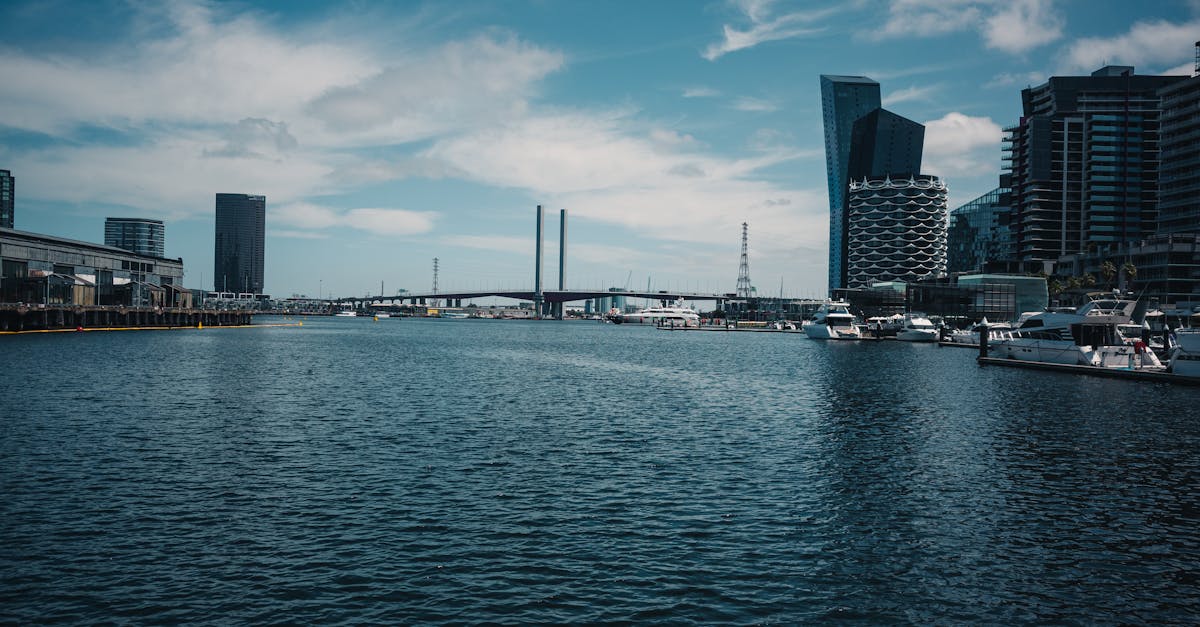
Navigating Melbourne’s Waters: Tips for Sailing Yachts
Table Of Contents
Obtaining Necessary Licenses and Permits
Sailing in Melbourne requires adherence to specific legal requirements, including obtaining the necessary licenses and permits. The Victorian Government mandates that all operators of watercraft must hold a valid boat licence. This ensures not only the safety of the vessel operator but also that of passengers and other waterway users. Navigating the application process can involve a series of tests to assess sailing knowledge and practical skills. It’s advisable to check for any additional permits if planning to sail in particular waters, as some areas may have specific regulations or restrictions.
Before setting out, it is essential to stay informed about the local maritime rules that may affect your sailing plans. Engaging with local marine authorities can provide valuable insights into navigational markers, speed limits, and seasonal boating guidelines. In some instances, you may be required to obtain additional permits for activities such as fishing, anchoring, or operating in national parks. Understanding these regulations before embarking on your journey can help prevent potential fines and ensure a smooth sailing experience.
Understanding Local Regulations
Melbourne's waterways are governed by a set of regulations designed to ensure safety and environmental protection. Familiarising yourself with these rules is crucial before setting sail. Local authorities enforce speed limits in specific zones, which help prevent collisions and protect marine life. Additionally, there are designated no-wake areas where marinas and residential areas require extra caution. Understanding these stipulations will contribute to a safe sailing experience.
In addition to speed regulations, there are rules regarding the use of navigation lights and safety equipment on board. Vessels must carry adequate life jackets for all passengers, and they are required to have functioning flares for emergency situations. It is also important to be aware of any seasonal restrictions, such as those relating to breeding grounds for local wildlife. Compliance with these regulations not only helps in avoiding fines but also promotes responsible boating habits within the community.
Preparing for Your Sailing Trip
Sailing in Melbourne offers a unique blend of coastal beauty and challenges, making pre-trip planning essential. Ensure you check the weather conditions leading up to your departure day. Understanding local forecasts can help you avoid sudden changes that can turn a pleasant journey into an uncomfortable one. Furthermore, a well-thought-out itinerary detailing your intended route, stops, and estimated timeframes will keep everyone focused and engaged during the trip. This plan should also account for potential detours and safe harbours along the way.
Before setting sail, it's crucial to gather all necessary equipment and supplies. This includes food, water, safety gear, and navigation tools. A complete inventory ensures that nothing is left behind, especially crucial items like life jackets and first-aid kits. Equally important is inspecting the yacht itself for any maintenance needs. Addressing mechanical issues or checking the condition of sails and rigging can prevent complications during your journey. Balancing preparation with flexibility allows for an enjoyable experience on Melbourne's picturesque waters.
Tips for Pre-Trip Planning
Begin by checking the weather forecast thoroughly before your sailing adventure. Conditions can change rapidly, and being well-informed can make a significant difference in your safety and enjoyment. Look for updates from reliable sources and consider any seasonal changes that might affect your journey. Assess factors such as wind direction, tidal patterns, and potential storms. This preparation will help you make informed decisions regarding your route and timing.
Additionally, ensure that your vessel is meticulously checked and well-equipped for the journey ahead. Inspect essential safety gear such as life jackets, fire extinguishers, and first-aid kits. It’s wise to stock up on food and water, giving you a comfortable supply for the duration of your trip. Make a list of all necessary items, including any personal belongings, and ensure they are securely stowed away. Preparing your vessel in advance helps create a smoother sailing experience, allowing you to focus on enjoying the beautiful waters of Melbourne.
Managing Onboard Responsibilities
Every crew member plays a crucial role in ensuring a smooth and safe sailing experience. Assigning specific responsibilities helps streamline operations on board. A designated captain must exercise leadership and make critical decisions regarding navigation and safety. Other crew members can take on roles such as helmsman, lookout, and navigator, ensuring that everyone is aware of their tasks. Establishing clear lines of communication is essential for effective collaboration and quick response to any emerging situations.
In addition to navigational duties, daily chores are vital for maintaining the functionality of the yacht. Tasks such as managing the sails, monitoring fuel and water supplies, and keeping the deck tidy enhance both safety and comfort. Weather conditions can change rapidly, requiring constant vigilance from the crew. Regular checks of equipment and supplies help prevent disruptions during the voyage. Training each crew member in emergency protocols ensures preparedness for unforeseen challenges while at sea.
Roles and Duties for Crew Members
In any sailing expedition, understanding the roles of each crew member is essential for a successful journey. The skipper takes responsibility for navigation, ensuring safety, and making critical decisions. This role often requires extensive experience and knowledge of marine conditions. The first mate assists the skipper and is typically tasked with leading drills, managing the crew, and overseeing on-deck operations. Clear communication between these vital roles creates a cohesive unit that can respond effectively to changing circumstances.
Other crew members should also understand their specific duties, which may include managing sails, handling lines, or monitoring navigation equipment. A dedicated navigator focuses on chart reading and position keeping, while deckhands may assist in maintenance and learn the basics of sailing techniques. Establishing a hierarchy and clearly defining responsibilities helps to eliminate confusion, particularly in challenging sea conditions. Each crew member's contribution is vital for smooth sailing, fostering a cooperative atmosphere onboard.
FAQS
Do I need a licence to sail in Melbourne's waters?
Yes, in Victoria, you are required to hold a valid boating licence, particularly if you plan to operate a vessel over a certain length or power. Always check local regulations for specific requirements.
What permits do I need for sailing in Melbourne?
Depending on your sailing route and activities, you may need specific permits, especially if you intend to anchor or moor in designated areas. It’s advisable to consult local maritime authorities for guidance.
What are some key local regulations I should be aware of?
Familiarise yourself with local speed limits, navigation rules, and designated no-wake zones. Additionally, pay attention to any environmental protection regulations to preserve Melbourne’s waterways.
What should I do to prepare for a sailing trip?
Preparation involves checking the weather forecast, ensuring your vessel is seaworthy, packing essential safety equipment, and informing someone on land about your sailing plan and expected return time.
What roles do crew members typically have onboard?
Crew members can have various responsibilities including the skipper (in charge of navigation and safety), lookout (watching for obstacles and other vessels), and deckhands (handling sails and other equipment). Assign roles based on experience and skill levels.
Related Links
Comparing Sailing Yachts: Size, Amenities and PerformanceEssential Features to Look for in Sailing Yachts for Self-Drive
Seasonal Sailing: Understanding Weather Conditions for Yachts
Weekend Getaways: Top Sailing Yacht Routes around Melbourne
Maintenance Tips for Your Self-Drive Sailing Yacht Experience
Safety Gear and Equipment for Self-Drive Sailing Yachts
How to Choose the Right Sailing Yacht for Your Adventure
The Best Sailing Yachts for First-Time Renters in Melbourne