Navigating Melbourne’s Waters: A Houseboat Captain’s Handbook
Table Of Contents
Maintenance Tips for Houseboats
Regular maintenance is essential for keeping a houseboat in optimal condition. Inspect the hull for any signs of wear or damage, as even minor issues can lead to bigger problems over time. Cleaning the exterior regularly helps prevent build-up of algae and marine growth, which can affect performance. Additionally, checking and servicing the engine should be a priority. Keeping the oil levels and fuel filters in check plays a significant role in the efficiency and longevity of the motor.
Safety equipment must also be maintained diligently. Ensure that life jackets, flares, and fire extinguishers are in good condition and easily accessible. Regularly test life-saving devices to confirm they function properly. Battery life should be monitored, with regular charging routines to ensure all electrical systems work smoothly. Focusing on these aspects not only enhances the longevity of the houseboat but also contributes to a safer cruising experience on Melbourne's waterways.
Routine Checks to Ensure Performance
Regular inspections of the engine are crucial for houseboat performance. This includes checking the oil levels, coolant, and fuel lines to prevent potentially costly issues. Allowing time for a thorough engine check prevents surprise breakdowns. Additionally, the battery should be tested frequently to ensure reliable starting. Inspecting the electrical systems helps identify any faults that could disrupt operations.
Hull cleanliness also plays a significant role in overall efficiency. Keeping the hull free from algae, barnacles, and other buildups aids in maintaining optimal speed and fuel economy. It’s advisable to schedule routine cleaning sessions to avoid the accumulation of debris. Lastly, ensure that all navigation and safety equipment is in working order, as these tools contribute to both performance and safety during your outings.
Exploring Melbourne’s Scenic Spots
Melbourne's waterways provide a unique vantage point to explore the city's vibrant landscape. Peddler's Walk is a favourite for many houseboaters, offering a peaceful stretch of water lined with lush greenery. Nearby, Dights Falls presents a stunning natural spectacle, where visitors can marvel at the cascading water. These locations cater to a variety of interests, from leisurely picnics on the banks to birdwatching opportunities.
The Yarra River also boasts numerous hidden gems waiting to be discovered. Docklands is a bustling area that showcases modern architecture alongside vibrant markets. A few miles upstream, the pristine Cooks River allows for a quieter experience, perfect for unwinding amidst nature. Each of these spots adds a layer of charm to Melbourne's aquatic adventures, creating unforgettable memories along the journey.
Must-Visit Locations Accessible by Houseboat
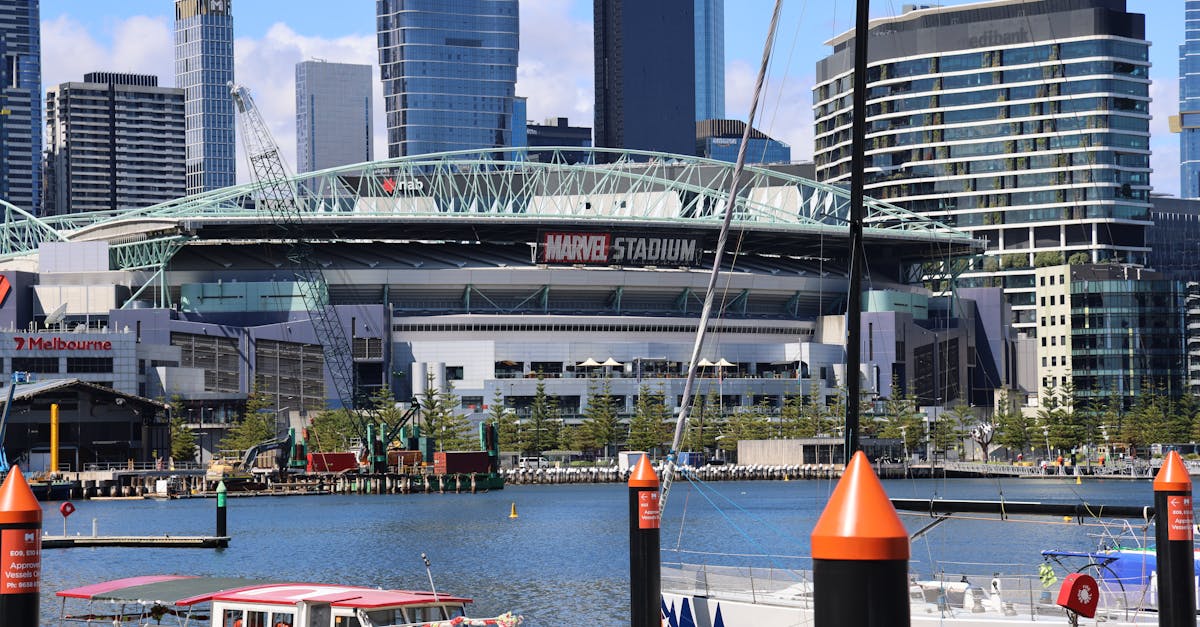
Melbourne’s waterways offer a range of breathtaking locations perfect for exploration by houseboat. The Yarra River is a top choice, winding through the heart of the city and providing stunning views of the skyline. Within easy reach are popular spots like Federation Square and the Melbourne Cricket Ground, where visitors can enjoy leisurely stops. Those seeking a more tranquil experience can navigate towards the serene expanses of the Yarra Valley, renowned for its vineyards and picturesque landscapes.
Port Phillip Bay is another gem for houseboat enthusiasts. The bay boasts numerous approachable beaches and bayside parks, ideal for anchoring and enjoying a seaside picnic. Mornington Peninsula, with its stunning coastal scenery, offers a perfect mix of relaxation and adventure. Wildlife sightings are common along the bay's shores, making it an enriching experience for nature lovers. The blend of urban vibrancy and natural beauty truly enhances any houseboat journey through Melbourne.
Preparing for Anchoring
Before dropping anchor, it is essential to assess the waterway and choose a suitable location. Consider factors such as the depth of the water, wind direction, and any potential obstructions beneath the surface. Ideally, the anchoring spot should be sheltered from strong currents and waves. Look for areas marked as safe for mooring where other vessels have anchored successfully. Keeping an eye on local guidelines and any environmental regulations is also crucial when selecting a spot.
Once you have chosen a location, proper techniques for anchor placement will ensure stability for your houseboat. It is advisable to let out at least five to seven times the depth of the water in anchor line to guarantee a secure hold. When lowering the anchor, do so gently to avoid snagging on unseen objects. After deployment, be sure to backtrack slowly and check for a solid grip by observing the rope angle. If the anchor drags, reevaluate your position and adjust as necessary for a worry-free stay.
Techniques for Secure Anchor Placement
A good anchor placement is critical for ensuring safety while stationed on the water. Begin by selecting a location with a suitable seabed, such as sand or mud, which offers better holding power for your anchor. When lowering the anchor, allow it to descend freely rather than dropping it quickly. This technique helps the anchor to dig into the seabed effectively, creating a secure hold.
Once the anchor is on the seabed, you should gently reverse the boat to help establish a firm bond. This technique ensures that the anchor is properly set. After securing the anchor, monitor your position periodically, particularly in changing weather conditions or if other vessels pass by. Understanding the prevailing tides and winds can assist in choosing the optimal location to ensure your houseboat remains safely anchored.
FAQS
What are some essential maintenance tips for houseboats?
Essential maintenance tips for houseboats include regularly checking the hull for damage, ensuring the engine and fuel systems are functioning correctly, maintaining the electrical systems, and cleaning the waterlines and bilge to prevent build-up.
How often should I perform routine checks on my houseboat?
It’s recommended to perform routine checks on your houseboat at least once a month, or more frequently if you are using it regularly. This includes checking for leaks, testing the battery, and inspecting safety equipment.
What are some must-visit locations in Melbourne accessible by houseboat?
Some must-visit locations include the Yarra River, the Docklands, and various scenic spots along the Maribyrnong River, where you can enjoy beautiful views and vibrant local culture.
What techniques can I use for secure anchor placement?
To secure your anchor placement, you should choose a suitable anchoring spot, ensure your anchor is of appropriate weight, and use a technique like the "three-to-one rule," which means having three times the depth of the water in anchor line for optimal holding power.
Are there any specific regulations I need to be aware of when operating a houseboat in Melbourne?
Yes, houseboat operators must comply with local boating regulations, including licensing requirements, speed limits, and restrictions on certain areas. It's important to check with local authorities for the latest guidelines before you head out.
Related Links
Family-Friendly Houseboat Options on Melbourne’s WaterwaysEco-Friendly Houseboat Rentals in Melbourne
Houseboating Safety Tips for Melbourne Adventurers
Planning a Weekend Getaway: Houseboat Itineraries from Melbourne
The Ultimate Guide to Houseboat Amenities for Your Melbourne Adventure
What to Know Before Renting a Houseboat in Melbourne