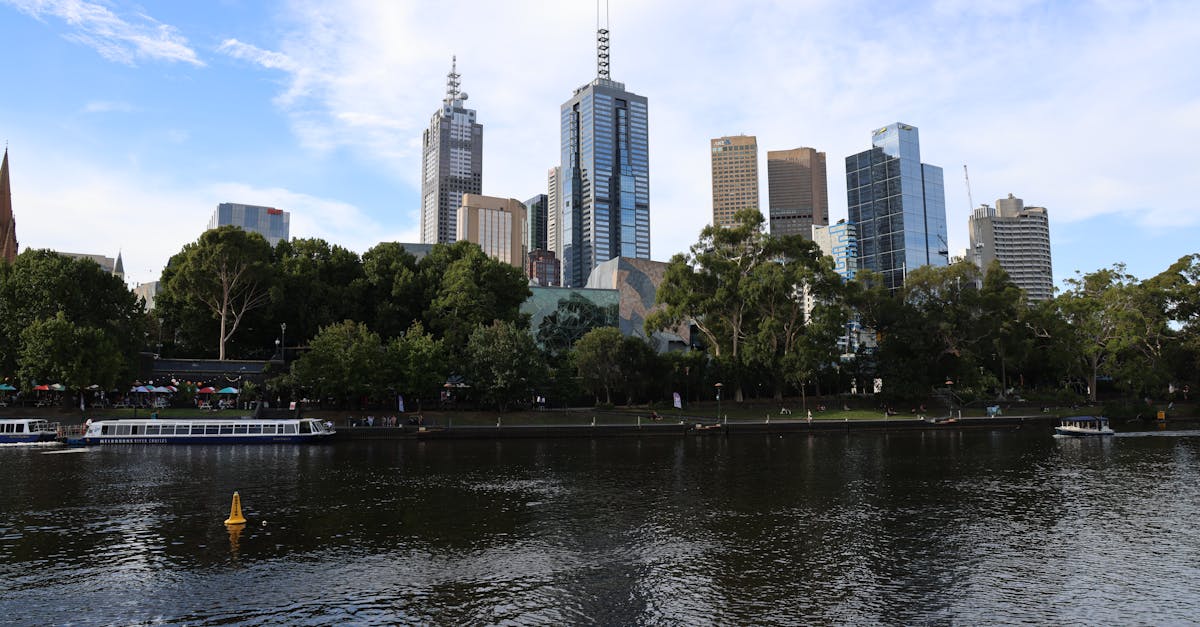
Experience Fishing in Melbourne with a Self-Driven Tinny
Table Of Contents
Seasonal Fishing Insights
Melbourne's fishing landscape changes dramatically with the seasons, offering unique opportunities for anglers throughout the year. Spring marks the beginning of the fishing frenzy as fish become more active due to rising water temperatures. This period is particularly ideal for targeting species like bream and whiting, which are often abundant in local waterways. The warmer weather also encourages recreational fishers to venture out onto the water, making it a vibrant time for the fishing community.
As winter approaches, fishing conditions can become more challenging. The colder temperatures often lead to a slowdown in fish activity, particularly for species that prefer warmer waters. However, skilled anglers know that this season can still yield good catches, especially when focusing on species like snapper. Understanding seasonal patterns and adapting techniques is crucial for successful fishing trips throughout the year.
Best Times of Year for Fishing Success
Melbourne's diverse waterways offer unique fishing opportunities throughout the year. Autumn stands out as a prime season, particularly for species like snapper and flathead, which become more active as water temperatures drop. The cooling weather and reduced boat traffic contribute to a more enjoyable fishing experience. Spring also presents excellent fishing conditions, especially for targeting bream and calamari. As temperatures begin to rise, these species move into shallower waters, making them more accessible to anglers.
Winter, while often overlooked, can be rewarding for those seeking species such as tuna or kingfish. Early morning or late afternoon are the best times to venture out during this season, as fish will be more likely to bite during these cooler periods. Summer is synonymous with family fishing trips, where anglers enjoy targeting a wide range of fish while enjoying the warm weather. Each season brings its own set of challenges and rewards, allowing both novice and experienced fishers to thrive in Melbourne's aquatic playground.
Fishing Regulations in Victoria
Victoria has specific regulations that all anglers must follow to ensure a sustainable fishing environment. One of the key aspects of these regulations is the requirement for a valid fishing licence. This applies to both recreational and professional fishers, and the licences can be obtained through local government offices or online platforms. It is vital to check the latest regulations and guidelines specific to the area where you plan to fish, as these can vary significantly based on location and species.
Bag limits, as defined by the state, dictate the maximum quantity of fish that an individual can retain in a single session. Many species have specific size limits that help maintain healthy populations. Ignoring these rules can lead to hefty fines and negatively impact local ecosystems. Responsible anglers should familiarize themselves with these limits and adhere strictly to them to contribute to the sustainability of fishing in Victoria.
Understanding Licensing and Bag Limits
In Victoria, fishing regulations are designed to preserve fish populations and ensure sustainable practices. All anglers over the age of 18 are required to obtain a fishing licence, which can be easily acquired online or at local retailers. It is important to carry this licence while fishing, as authorities conduct regular checks to enforce compliance.
Bag limits impose restrictions on the number and size of fish an individual can take home. These limits vary according to species and location, reflecting the need to maintain healthy ecosystems. Familiarising oneself with these regulations not only promotes responsible fishing but also enhances the overall experience by contributing to the conservation of Victoria's aquatic environments.
Sustainability Practices for Anglers
Fishing has long been a cherished pastime, but it is crucial for anglers to engage in practices that protect marine ecosystems. This includes respecting catch limits and adhering to seasonal restrictions. Keeping the natural habitat clean is equally important; anglers should take all rubbish with them and choose biodegradable products when possible. Emphasising conservation ensures that future generations can enjoy fishing in vibrant, healthy waters.
Another key aspect of sustainable fishing is the method employed. Techniques such as catch and release are fundamental to preserving fish populations, allowing them to grow and reproduce. Using appropriate tackle minimises injury to fish and increases their chances of survival when released. Educating oneself about local species and their behaviours contributes to more responsible fishing practices, fostering a deeper connection with the environment.
How to Fish Responsibly
Practicing responsible fishing techniques is essential for preserving aquatic ecosystems and ensuring that future generations can enjoy these activities. Anglers should take the time to educate themselves about local species and their habitats. This knowledge helps in making informed decisions regarding catch limits and size regulations. Using barbless hooks can facilitate the release of fish, reducing potential harm to their delicate bodies.
In addition to adhering to regulations, proper waste management plays a crucial role in maintaining the health of water bodies. Disposing of fishing line, packaging, and other waste thoughtfully prevents pollution that can devastate marine life. Engaging in catch-and-release practices also allows fish populations to thrive, contributing to the sustainability of the sport. By being conscientious and respectful, anglers contribute to a healthier environment while enjoying their time on the water.
FAQS
What is a tinny and why is it popular for fishing in Melbourne?
A tinny is a small, lightweight aluminium boat that is easy to navigate and transport, making it a popular choice for anglers in Melbourne who want the freedom to explore various fishing spots.
What are the best times of year for fishing in Melbourne?
The best times for fishing in Melbourne typically vary by species, but generally, spring and autumn are considered peak seasons due to the warmer water temperatures and increased fish activity.
What fishing regulations should I be aware of in Victoria?
In Victoria, it's important to understand the local fishing regulations, including licensing requirements, bag limits, and size restrictions for different fish species to ensure sustainable fishing practices.
Do I need a fishing license to fish in Melbourne?
Yes, all anglers over the age of 18 need to obtain a valid fishing license to fish in Victoria, which helps support fishery management and conservation efforts.
How can I practice responsible fishing while using a tinny?
Responsible fishing practices include adhering to bag limits, respecting marine environments, properly disposing of waste, and being aware of local wildlife to minimise your impact on the ecosystem.
Related Links
Environmental Considerations When Hiring Tinnies in MelbourneExploring the Benefits of Hiring a Tinny in Melbourne
Navigating Melbourne's Waterways with a Tinny: Tips for First-Timers
The Top Features of Tinnies for Self-Drive Adventures
Tinny Hire: Essential Gear and Equipment for a Successful Day Out